12 Coffee Beans Facts To Refresh Your Eyes At The Cooler Water Cooler


The Best Fresh Coffee Beans
Buy whole beans from a local coffee shop or roaster is a certain method to get the most fresh and most delicious beverage. A retailer that has a variety of blends is also an excellent idea.
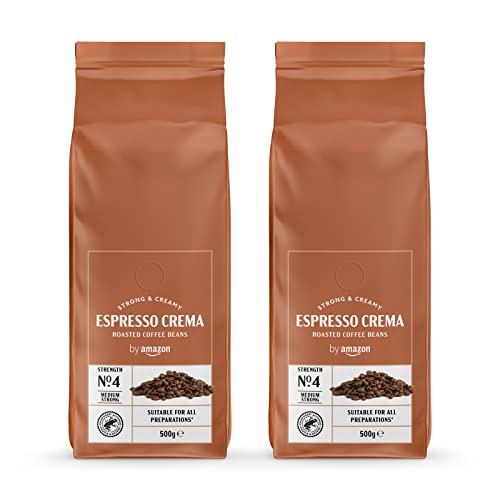
Koffee Kult's Thunder Bolt is a dark French roast that has an intensely satisfying flavor. It's pricier than other brands, but it is organic1 Fair Trade2 and has no additives.
Ethiopian Yirgacheffe
Ethiopian Yirgacheffe, one of the most sought-after coffee beans due to its citrusy flavor and delicate aroma, is among the world's most sought-after coffee beans. It's also a superb source of antioxidants. It is best brewed without sugar and milk in order to preserve its distinctive flavor profile. It pairs well with savory food items to balance the sweet and salty. It's also a great choice for an afternoon pick-me-up.
Ethiopia is often known as the place of birth of coffee. According to legend, a goat herder named Kaldi noticed his flock became more energetic after eating red berries that grew on a plant close to his home. He tested the berries, and found that they provided him with a lot of energy. The herder then shared the berry among his family and this was the beginning of coffee's popularity.
In the Yirgacheffe area of Sidamo, Ethiopia, coffee is usually "washed" or processed wet. This helps to remove bitter tastes and produce an appealing, fresh taste. In the mid-2000s, coffee prices spiked to levels that were unsustainable for many farmers across the world, including in Ethiopia. However the Yirgacheffe Coffee Farmers Cooperative Union (YCFCU) was capable of helping the farmers stay in business through their fair trade initiatives as well as the ability to bargain with the market. This led to a wave of fruit-flavored single-origin Ethiopian coffees, dubbed the "new naturals." Today the world is once again savoring the unique citrusy, floral, and floral taste of the Yirgacheffe bean.
Geisha
Geisha is among the most expensive coffee beans available. It has a delicate tea flavor that has hints of mango, peach and raspberry. It also has a soft taste that is similar to black tea. But does it really deserve the price price?
The Geisha variety was first discovered in the highland region of Gesha (it was misspelled along the way) in Western Ethiopia in the 1930s by the British consul. The seeds were later introduced to CATIE in Costa Rica, and finally to Panama by the late Francisco Serracin, known as Don Pachi. The Peterson family experimented with it at their Hacienda Esmeralda Farm and found that it was able to produce flavors with balance and fineness.
Geisha is more than just an excellent cup of coffee. It has a profound impact on the communities who produce it. It allows farmers to reinvest their profits into improving farming practices and processes. This leads to a better quality of all coffee varieties that they grow.
Yet, many common coffee lovers refuse to try it because of the high price tag. It's a shame, because Geisha coffee is well worth the price. Do yourself a favor and purchase some as soon as you can.
Ethiopian Harrar
Ethiopian Harrar coffee is exotic and full-bodied. This is a dried processed (natural) arabica and comes from the Oromia region, also known as Harrar located in southern Ethiopia at elevations of between 4,500 and 6,300 feet. It has a distinct wine-like, fruity acidity and mocha flavor.
The coffee is picked in the spring, and then dried and fermented to release its aromas and flavors. The coffee is not contaminated with chemicals and is low in calories, as opposed to most commercial coffees. It offers numerous health benefits, such as reducing the risk of getting Alzheimer's. It is rich in antioxidants, and is a good source of other nutrients. It is best to drink the cup on an empty stomach in order to get the most benefit.
Ethiopian Harrar is one of the most sought-after coffees around, comes from the region's easternmost part of Ethiopia. It is cultivated near the old town walled by Harrar, at the highest altitudes. The coffee has a distinct taste and is a treat in the form of espresso, or as an latte.
The coffee is sorted by hand and then harvested, and finally dried by sun in traditional cloth bags. This method preserves the aromas of the beans and makes them more tasty. This is a sustainable method. It can be brewed with any method of brewing, but is most suitable for a French press or pour over.
Monsooned Malabar
Monsooned Malabar is among the world's most renowned and unique coffees, is a chocolatey coffee with the flavor of nutty wood and virtually no acidity. Its name is derived from a process known as "monsooning," as well as where it comes from the region that is the most arid in India in the mountainous region of Malabar which encompasses Karnataka and Kerala and is protected by geographical indication status.
The origin of this coffee is believed to be apocryphal. During the British Raj period, large wooden vessels were used to transport coffee beans to Europe. In the course of the voyage humidity and wind caused the beans to naturally dry and resulted in a light off-white color. When they arrived in Europe the beans were discovered to have a distinctive and highly desirable flavor character.
This unique and highly specialized coffee processing technique, also referred to as monsooning, is still being practiced to this day in Keezhanthoor the hamlet that is high-end cocooned in the Western Ghats and surrounded by traditional tribal communities on a small scale. farmers who are committed to the highest quality beans. They make a full-bodied, very aromatic and smooth coffee with notes of chocolate from bakers sweet syrup, mild vanilla.
coffee beans in bulk on its own or blended with other fruity varieties, and it can also stand up to milk well making it an excellent espresso or cafe cream coffee. Pour-overs, such as those in the Bialetti Moka Pot, are also popular. Monsooned Malabar is also resistant to heat because of its lower acidity.